Oskar Hedman's Jämtlands-Kuriren Account
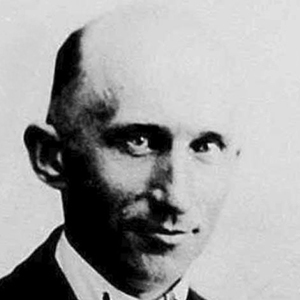
I slept in a cabin located in the bow of the ship. At midnight, I awoke from a jolt and noticed right away that the ship had stopped. I dressed hastily and went up on deck, where I heard that the steamer had hit an iceberg, but I was told that there was no danger. Twenty minutes later, I went back to my cabin to get my lifebelt, but by then, the cabin was filled with water. I then ran up and spoke with my comrades – a few good friends from Gothenburg. We realized that the steamer was slowly sinking. The lifeboats were finally put in place, and women and children were loaded first.
We knew that there were nearly 3,000 people on board and only 18 lifeboats, so I did not see any way of rescue. The night was quite calm. The stars glittered. I went up on the poop deck alone. Many hundreds had already jumped into the sea to their graves. I looked toward heaven and asked God to take my soul. Then having calmed down, I faced death. But oh, what moaning and prayers for salvation from hundreds of people! When I searched for my comrades, they had disappeared.
I then stood alone and watched as the last lifeboat was lowered. An officer stood there with a revolver in his hand to prevent the frantic people from rushing the boat. The boat was filled with women. I ran forward to see if I could find someone for myself to say a last farewell. A woman jumped down towards the boat, but fell down into the deep. The lifeboat was lowered. At that moment, I thought, perhaps I should try to jump. If I am shot down, l'll die faster. I jumped and came down in the lifeboat. It was lowered at once, and I got hold of an oar and began to row with all my might out to sea.
The large steamer was then about to sink. Suddenly, all the electric lights went out. A crash and horrible screams were heard after which the stern rose into the air. It stood there for about two minutes and then disappeared into the sea. Just then, I heard the most awful cries. Thousands of people were lying on the water and screaming for help, but no rescue came. Gradually, the cries died down.
The sea was rather calm. The stars glittered in the terrible night. No one seemed to know which direction we were going to row and no steamer was in sight. It was very cold. My feet were wet and stiff. I thought then – this will certainly be more painful than going down with the steamer. We rowed round for several hours until daylight slowly appeared. Then we saw a steamer far away. At this time, the wind picked up, but it blew us toward the arriving steamer. At about 5:30 in the morning, we reached the steamer that brought us to New York. It took 8 days. Several died on the way and were thrown overboard, and many pitiful women stood on deck with children in their arms, looking out to the sea that had taken their husbands to their graves. 1
Curator's note: Hedman's account was originally published in the Swedish newspaper, Jämtlands-Kuriren. The English text for this account is sourced from the translation in Lilly Setterdahl's book, Not My Time to Die - Titanic and the Swedes on Board, in combination with a translation of the original Swedish text provided on the Titanic Norden website.
Footnotes
- Mr. Hedman finally states in his letter that the steamer stayed afloat for two hours after the collision with the iceberg, and that the lifeboat in which he was rescued bore the number 10 and was loaded with 50 women and 4 men.
Source Reference
Title
Oskar Hedman's Jämtlands-Kuriren Account
Survivor
Oskar Arvid HedmanDate
May 7, 1912
Periodical
Jämtlands-KurirenCopyright Status
Public DomainThis is item can be used freely as part of Titanic Archive’s Open Access policy.